SuperYou and Shopify can both help you sell online, but they are designed around different customer journeys.
Shopify is a full ecommerce platform built for merchants who need product catalogues, inventory, shipping, retail channels, and a highly customizable online store.
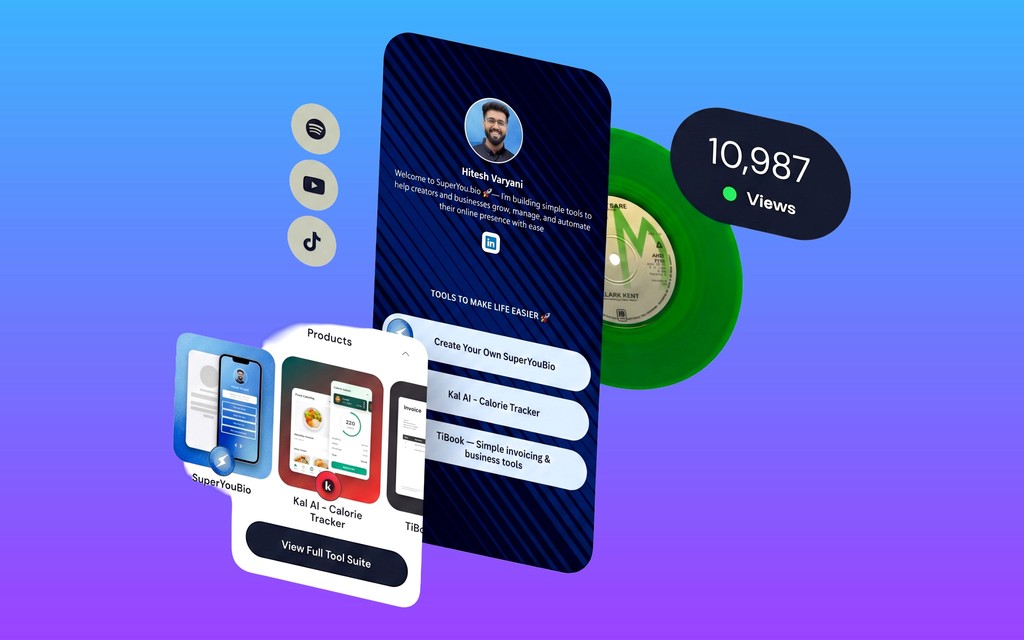
SuperYou is a creator platform built for people whose customers discover them through social content. It combines a bio link page, digital products, lead forms, and Instagram Auto DM in one place.
Neither platform is automatically better. The right choice depends on what you sell, where customers discover you, and how much commerce infrastructure you actually need.
Choose the platform that matches your business model—not the platform with the longest feature list.
SuperYou vs Shopify at a Glance
Start with how your customers discover and buy
Here is the short version:
| Area | SuperYou | Shopify |
|---|---|---|
| Best for | Social-first creators and personal brands | Ecommerce retailers and product businesses |
| Primary journey | Content → bio or DM → page → action | Store visit → browse → cart → checkout |
| Bio link page | Built into the product | Requires another approach after Linkpop |
| Digital products | Built for creator offers | Supported, often with configuration or apps |
| Lead forms | Built in | Usually handled through forms or apps |
| Instagram Auto DM | Built in | Not a native Shopify function |
| Physical inventory | Not the primary use case | A core strength |
| Shipping and fulfilment | Not the primary use case | A core strength |
| Store customization | Focused and streamlined | Extensive themes, apps, and developer options |
| Starting price | Free plan available | Paid ecommerce plans; prices vary by region |
The simple decision:
- Choose SuperYou when your audience comes from Instagram or other social platforms and you sell knowledge, access, services, events, or digital products.
- Choose Shopify when you run a product catalogue with inventory, shipping, fulfilment, retail operations, or advanced ecommerce requirements.
- Use both when social content drives discovery but a Shopify store handles a substantial physical-product operation.
What Is SuperYou?
SuperYou is an all-in-one creator platform for turning social attention into action.
Instead of building a traditional multi-page ecommerce website, creators build one focused page that can hold their links, products, content, forms, bookings, and campaign destinations.
SuperYou is designed around the way creator audiences behave:
- They arrive from a mobile social app
- They have limited time and high intent
- They may want one specific resource mentioned in a post
- They often respond through comments or DMs
- They need a fast, obvious next step
The platform combines:
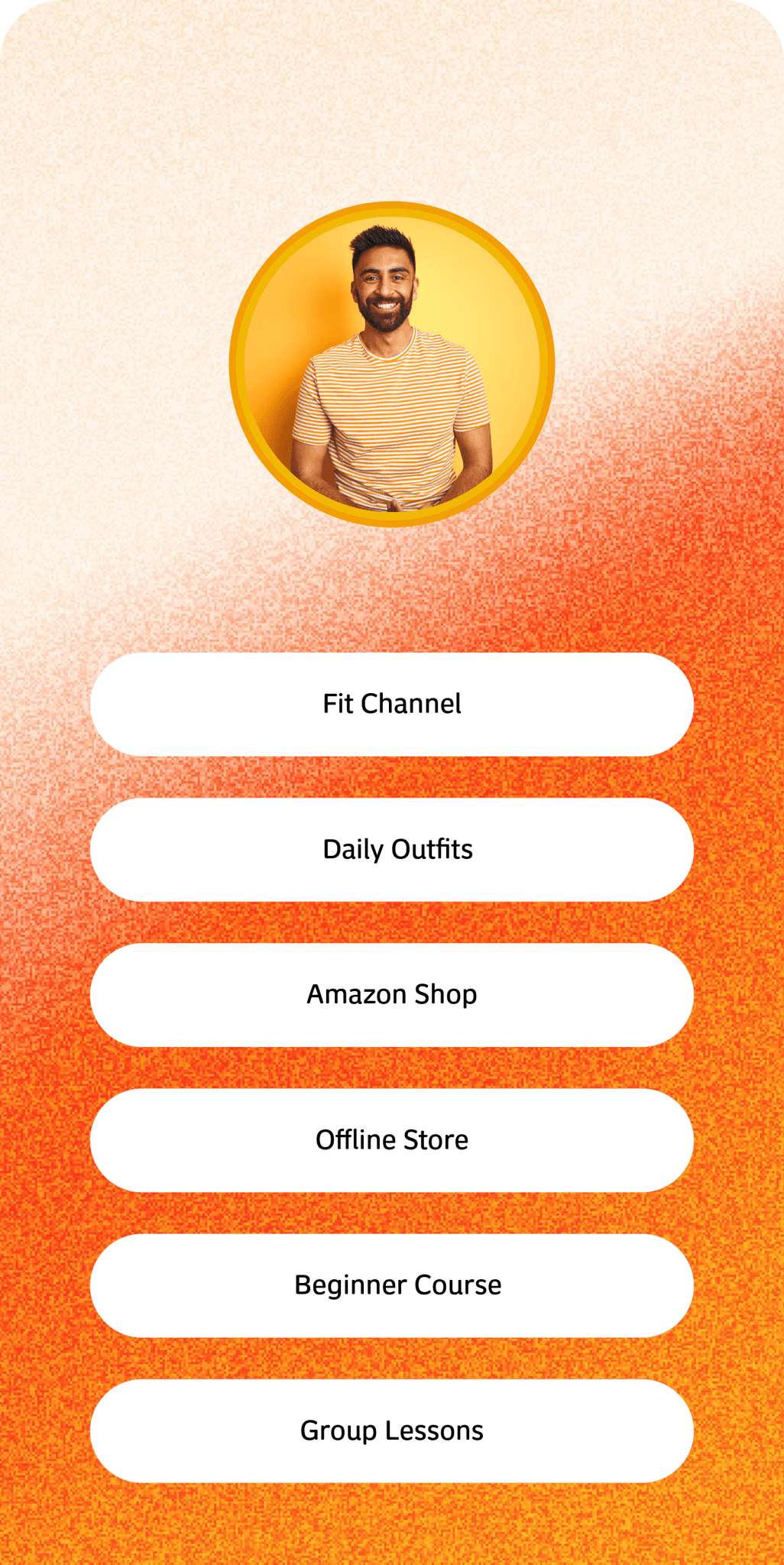
- A customizable link-in-bio page
- A creator store for digital products and other offers
- Lead forms for sign-ups and enquiries
- Instagram Auto DM for posts, Reels, Stories, and Lives
- Advanced DM flows and follow-ups on eligible plans
- Support for multiple Instagram accounts on eligible plans
This makes SuperYou useful when the page, lead capture, and social automation are all parts of the same funnel.
What Is Shopify?
Shopify is a mature ecommerce platform for building and operating online stores.
Its strengths include:
- Large product catalogues
- Inventory tracking
- Shipping and fulfilment workflows
- Discounts and merchandising
- Multiple sales channels
- Point-of-sale options
- International commerce features
- A large app and theme ecosystem
- Detailed ecommerce reporting
Those tools are valuable for merchants selling physical products at scale. A fashion label, skincare company, homeware brand, or retailer with hundreds of SKUs will usually need infrastructure that a lightweight creator page is not designed to replace.
Shopify can also sell digital products and services. However, creators may need extra setup, apps, a specialized theme, or an additional bio link tool to create the exact social-first journey they want.
Shopify discontinued Linkpop, its dedicated link-in-bio product, in 2025. Its core platform remains powerful, but its primary experience is an ecommerce store rather than a creator profile.
The Biggest Difference: Creator Funnel vs Ecommerce Store
A short social funnel and a full retail store solve different jobs
- Social content
- Bio link or Auto DM
- One focused offer
- Lead, booking, or sale
- Store visit
- Browse catalogue
- Cart and checkout
- Inventory and fulfilment
The most important distinction is not the checkout. It is everything that happens before the checkout.
A typical Shopify journey looks like:
Customer visits store → browses catalogue → opens product page → adds to cart → checks out
A typical SuperYou journey looks like:
Follower sees content → clicks bio link or receives an Auto DM → opens one focused page → buys, books, signs up, or submits a form
Shopify optimizes a broad shopping journey. SuperYou optimizes a short social conversion journey.
If your customer wants to compare colours, sizes, bundles, shipping options, and related products, Shopify's depth is an advantage.
If your follower commented “GUIDE” because they want the exact resource shown in a Reel, sending them through a large catalogue may add unnecessary friction.
Selling Digital Products and Services
Digital products have different operational needs from physical products. There is no warehouse, stock count, shipping label, or return parcel.
Creators commonly sell:
- E-books and downloadable guides
- Templates, presets, and creative assets
- Courses and workshops
- Consultations and coaching
- Event access
- Paid resources
- Booking-based services
SuperYou keeps these offers close to the creator's identity and social content. A visitor can see the product alongside relevant links, videos, forms, and profile information.
Shopify provides a powerful checkout and product system, but many creator-specific workflows are assembled through its app ecosystem. That flexibility can be useful when you need it and unnecessary when you do not.
Ask one question: does your offer need a sophisticated ecommerce backend, or does it need a clear mobile path from social content to purchase?
Bio Link and Social Conversion
Social platforms usually provide one prominent profile link. That makes the destination unusually important.
A creator-focused bio page should quickly communicate:
- Who you help
- What you create or sell
- Which action matters most today
- Where visitors can find your other important content
SuperYou treats this page as the centre of the product. Products, forms, videos, links, and social destinations can live together without forcing the creator to build a traditional website first.
Shopify gives merchants more control over store navigation, collections, themes, and product discovery. But a full storefront can feel heavy when a visitor arrives from a 20-second Reel looking for one named resource.
For creators, fewer steps can matter more than more pages.
Instagram Auto DM and Lead Capture
This is where the platforms differ most clearly.
SuperYou connects Instagram engagement to the rest of the creator funnel. A creator can invite followers to comment a keyword and automatically send the relevant link in a direct message.
For example:
Comment “WORKOUT” and I’ll send you the plan.
The automated message can direct the follower to a SuperYou product, lead form, booking destination, event, affiliate resource, or another relevant page.
Lead forms also create a path for visitors who are interested but not ready to purchase. Creators can collect:
- Newsletter subscriptions
- Booking enquiries
- Collaboration requests
- Waitlist registrations
- Event sign-ups
- Customer feedback
- Early-access requests
Shopify has a broad app ecosystem, so merchants can add forms, chat, and automation. But Instagram comment-to-DM automation is not a native part of Shopify's core store workflow. It generally requires separate tools and integrations.
Physical Products, Inventory, and Shipping
Shopify is the clear choice when physical commerce is central to the business.
It is designed to manage:
- Product variants
- Inventory levels
- Shipping rates
- Fulfilment locations
- Returns
- Taxes and markets
- Retail point of sale
- Large product catalogues
SuperYou is not intended to replace that operational layer.
A creator who sells a few digital guides and takes coaching bookings may find Shopify excessive. A creator brand shipping hundreds of physical orders needs the systems Shopify provides.
Some businesses benefit from both platforms: SuperYou can act as the social-first creator page while Shopify handles the physical catalogue and fulfilment behind selected links.
Pricing and the Real Cost of Your Stack
A Shopify creator setup vs one SuperYou page

Products, resources, and ways to work with me
Compare the complete system, not only the starting subscription.
SuperYou offers a free creator plan and a paid Elite plan priced by visitor region. At the time of writing, the Elite plan is ₹249 per month in India or $9.99 per month in other supported regions. A custom Pro plan is available for businesses that need dedicated services.
Shopify's prices vary by country and billing cycle. In the United States, its official pricing page currently lists Basic at $39 per month when billed monthly, with lower effective monthly pricing on annual billing. Higher plans add more advanced commerce features and lower published card rates.
Payment processing is separate from a platform subscription. Card processing rates, gateway costs, currency conversion, taxes, and third-party provider fees depend on the provider, country, and plan. Do not confuse “no extra platform transaction fee” with “no payment processing cost.”
Also include the surrounding stack:
- Bio link tool
- Form builder
- Email or lead system
- Instagram automation
- Booking software
- Digital delivery or course app
- Premium theme or developer work
Shopify's app ecosystem is a strength because almost any workflow can be added. It can also increase monthly cost and operational complexity. SuperYou's advantage is combining the core creator journey in one focused platform.
Customization, Analytics, and Support
Shopify offers substantially more design and development flexibility. Merchants can choose themes, edit templates, install apps, access APIs, and hire from a large ecosystem of specialists.
That flexibility comes with more decisions. Store structure, theme settings, apps, product templates, navigation, and integrations all need configuration and maintenance.
SuperYou takes a more opinionated approach. Creators customize their page and content, but the system remains focused on launching quickly and guiding mobile visitors toward action.
Analytics should match the business as well:
- Shopify analytics are useful for orders, products, customers, inventory, and ecommerce performance.
- SuperYou analytics focus on the creator journey across page visits, links, leads, and social-driven actions.
Support requirements also differ. A large Shopify operation may rely on Shopify support, app vendors, developers, agencies, and fulfilment partners. A SuperYou creator works with a smaller, more unified product surface.
Which Platform Should You Choose?
Choose around your hardest operational requirement
Choose SuperYou when:
- Most customers discover you through social content
- You want a link-in-bio page and creator store together
- You sell digital products, access, services, events, or bookings
- You need lead forms
- Instagram Auto DM is part of your growth strategy
- You want to launch without managing themes and multiple apps
Choose Shopify when:
- Physical products are your main business
- You manage inventory, variants, shipping, and fulfilment
- You need a large catalogue or advanced merchandising
- You sell through several retail and marketplace channels
- You need extensive theme or developer customization
- Your team requires deeper ecommerce operations
Use both when:
- You are a creator with a serious physical-product brand
- SuperYou handles social discovery, campaigns, links, and lead capture
- Shopify handles inventory, product pages, checkout, and fulfilment
The platforms solve different layers of the business. Combining them can be more sensible than forcing either one to do every job.
The Final Verdict
For traditional ecommerce, Shopify remains the stronger platform. Its inventory, shipping, catalogue, retail, and customization capabilities are built for merchants operating a complete online store.
For social-first creators, SuperYou offers a shorter path. It brings the bio page, creator offers, lead capture, and Instagram Auto DM into one system designed around audience attention.
Do not buy enterprise-level complexity before your business needs it. Start with the customer journey you have today.
If your audience arrives from content and needs one clear next step, build that step with SuperYou. If your business grows into a physical-product operation, connect or add the ecommerce infrastructure that growth requires.
Frequently Asked Questions
Is SuperYou better than Shopify for creators?
SuperYou is generally a better fit for social-first creators who sell digital products, services, bookings, or access and want bio links, forms, and Instagram Auto DM together. Shopify is better for creators operating a more traditional ecommerce business with physical inventory and shipping.
Can I sell digital products on Shopify?
Yes. Shopify can sell digital products, although delivery, courses, memberships, bookings, or specialized creator workflows may require configuration or apps.
Can I sell physical products with SuperYou?
SuperYou can direct visitors to offers and external destinations, but it is not positioned as a replacement for Shopify's inventory, shipping, and fulfilment infrastructure. A creator with substantial physical commerce can link the two platforms.
What happened to Shopify Linkpop?
Shopify discontinued Linkpop in July 2025. Shopify remains an ecommerce platform, but creators who need a dedicated link-in-bio experience now need another approach.
Does SuperYou include Instagram Auto DM?
Yes. SuperYou supports Instagram Auto DM, including broader triggers and advanced flows on eligible plans.
Which option is cheaper?
SuperYou has a free plan and lower-cost creator-focused paid pricing. Shopify's core ecommerce plans cost more but include operational tools SuperYou is not designed to replace. Compare the full stack of apps and services required for your use case.
Do I need both SuperYou and Shopify?
Not always. Digital-first creators may only need SuperYou. Product retailers may only need Shopify. Creator-led brands with both social funnels and physical fulfilment can benefit from using SuperYou as the audience-facing hub and Shopify as the commerce backend.